


We are different at ArthritisCARE
At ArthritisCARE, we understand the impact pain and decreased mobility can have on your daily life. Our experienced team of Rheumatologists are here to provide you with compassionate care and expert treatment to lessen this impact.
A personalised approach
We believe in treating the whole person, not just the symptoms. Our team takes the time to listen to your concerns, understand your unique needs and develop a personalised and effective treatment plan tailored to you. We value the importance of building a strong doctor-patient relationship based on trust and open communication.
Experience dealing with complex cases
Quick appointments and short waiting times
We know that your time is valuable so we strive to minimise waiting times for appointments. We also offer Telehealth appointments for follow-up reviews, for easy and convenient access to your Rheumatologist.
A caring, dedicated team
ArthritisCARE is dedicated to providing exceptional care and support throughout your journey. We understand the challenges that rheumatic diseases and arthritis present and are here to guide you every step of the way. From diagnosis to treatment and ongoing management, we are committed to helping you find appropriate pain relief, improving your well-being, and your quality of life.


A modern, purpose built
state-of-the-art facility
The ArthritisCARE clinic was built for your comfort and convenience. Located centrally, close to private and public hospitals, our modern practice is mobility friendly and provides a comfortable and welcoming environment. Whether travelling by public transport or car, there is easy access and ample on-site free parking.
We treat many different conditions.
We specialise in the treatment of an extensive range of auto-immune, joint and connective tissue disorders. Our team also communicates with your GP or other healthcare provider so they are aware of your current diagnosis and treatment plans.

Rheumatoid Arthritis, or RA, is an autoimmune arthritis. Your immune system attacks healthy cells within your body, resulting in swollen and inflamed joints and discomfort.


Ankylosing Spondylitis is a type of arthritis causing pain, stiffness and inflammation. It most commonly affects the spine, neck, back and pelvis.

Polymyalgia Rheumatica (PMR) causes inflammation to the larger joints in your body and the surrounding tissue. This causes all-over body stiffness, aches and musculoskeletal pain especially in your shoulder, neck and hips.

Osteoarthritis, or OA, affects the whole joint – the bone, cartilage, ligaments and muscles. It causes inflammation, pain, joint damage and deterioration of ligaments, most commonly in knees, hips, fingers and big toes.

Gout is a type of arthritis caused by a buildup of uric acid (a normal waste product of your body) in your joints. This leads to redness, inflammation and intense pain.
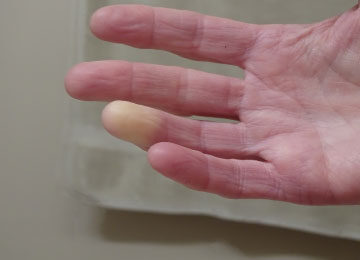
Scleroderma is a rare autoimmune disease that affects the connective tissues, causing them to become thick and hard. This condition can result in a range of symptoms, including skin tightening, joint pain and impacting other areas of the body such as the skin, blood vessels, and internal organs.

Systemic Lupus Erythematosus is the most common type of lupus (autoimmune systemic connective tissue diseases). SLE can affect multiple organs and systems in the body, causing inflammation and a wide range of symptoms.
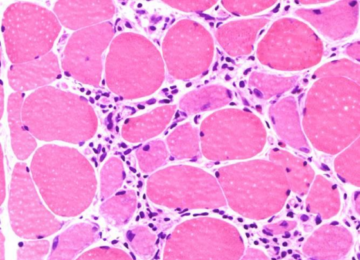
Polymyositis is one of a group of rare inflammatory autoimmune diseases that primarily affects the muscles, causing muscle weakness, pain and difficulty with movement.

Sjogren’s Syndrome is an autoimmune disorder that primarily affects the glands responsible for producing tears and saliva, causing dry eyes and mouth. It may also cause fatigue, chewing or swallowing difficulties and swelling of the glands in your neck or face.

Fibromyalgia is a chronic illness, characterised by widespread musculoskeletal pain and fatigue. It is often more common in people who have inflammatory arthritis, rheumatoid arthritis, or after a viral illness or infection.
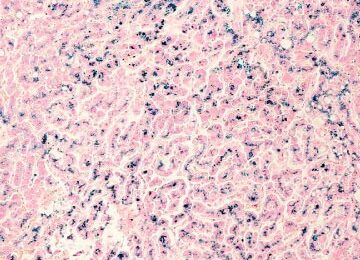
Haemochromatosis is a genetic disorder that leads to excessive iron accumulation in your organs, including the liver, heart, bones, joints and pancreas. This can cause fatigue, pain in your joints and abdomen and organ damage.
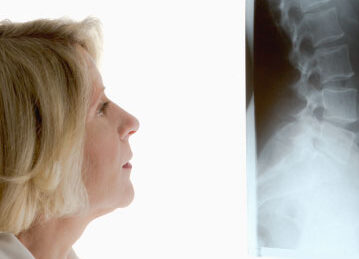
Spondyloarthritis can be classed as peripheral or ankylosing spondylitis. Peripheral spondyloarthritis mainly affects the arms and legs and includes four sub-categories.
Resources for our patients.
We understand that managing arthritis can be overwhelming at times. That’s why we offer a range of resources to support our patients. From educational materials and self-care tips to community support groups, we provide the tools you need to enhance your understanding of your condition and empower you to take an active role in your health.

Let the friendly team at ArthritisCARE
take care of your muscle and joint pain

With a collective experience of over 50 years, our team of seven Rheumatologists provide expert care for individuals with joint, bone, muscle and autoimmune diseases. Our background in family general practice and general medicine, combined with our expertise in rheumatology, ensure we can see the whole picture and work collaboratively to diagnose, treat and manage any arthritic, autoimmune or rheumatic diseases our patients may have.
Take the first step towards better joint health.
If you’re ready to take control of your joint health and experience the difference ArthritisCARE can make, schedule an appointment with one of our Rheumatologists today.
Find a Rheumatologist near me:
- 24 Railway Terrace (Corner of Pound Street) Dutton Park QLD 4102
- (07) 3255 1066
- (07) 3521 6780
- admin@arthritiscare.com.au
-
Monday to Friday: 8.00 am – 4.00 pm
Sat, Sun & Public Holidays: Closed
Frequently Asked Questions
Find all of the commonly asked questions about diagnosing and treating arthritis and other conditions below.
A Rheumatologist is a doctor who has completed basic physician training and specialist training in rheumatology. They are experts in diagnosing and treating diseases of the musculoskeletal system, connective tissues, muscles and bones, including different types of arthritis and inflammatory conditions.
- Arthritis (all types, such as osteoarthritis, rheumatoid arthritis and other inflammatory types)
- Lupus
- Peripheral or ankylosing spondylitis
- Fibromyalgia
- Haemochromatosis
- Sjogren’s Syndrome
- Scleroderma
- Ross River Virus
No, we do not offer bulk billing for our rheumatology services. However, we do have a more economical price option available for appointments with rheumatology registrars, who are close to completing their advanced training under the supervision of Dr. Peter Landsberg.
The cost to see a Rheumatologist in Australia may vary depending on what diagnostic tests (such as scans or blood tests), services and disease management you require. Different types of arthritis and other rheumatic conditions require different assessments and therapy management. See here for more information.




 Online Marketing For Doctors